
Two unachieved savings lines come to £8.645m, more than the whole overspend. Adult care adds £4.62m. A separate schools deficit reaches £33.162m by March 2027.
Northumberland County Council is forecasting a £7.960 million overspend on its £483.178 million general fund this year. The figure is in the first budget monitoring report of 2026-27, taken by Cabinet on 8 September.
The council’s own breakdown shows what is driving it, and it is not mainly demand for care.
Savings the council has not made are worth more than the overspend
The report sets out seven key variances behind the £7.960 million. Two of them are savings that were built into the budget and are not going to be delivered:
- £7.681 million of unachieved BEST cross-directorate savings
- £0.964 million of unachieved BEST Use of Assets savings
Those two lines come to £8.645 million, which is more than the entire forecast overspend. BEST is the council’s transformation programme. The report says it delivered £19.997 million in financial benefits between 2023-24 and 2025-26.
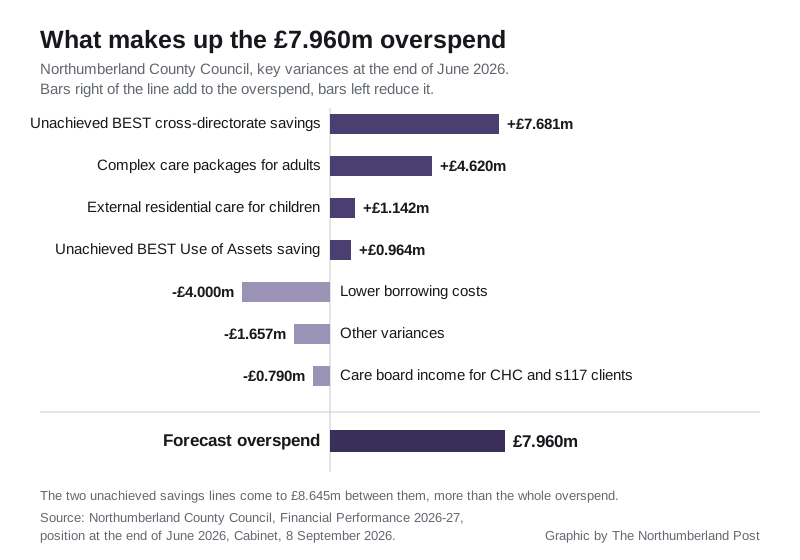
The other variances in the same table are:
- cost of complex care packages for adults: £4.620 million
- cost of external residential care placements for children: £1.142 million
- extra income from the North East and North Cumbria Integrated Care Board for continuing healthcare and Mental Health Act section 117 clients: £0.790 million saved
- a £4.000 million underspend on interest payable, because the council has had to borrow less for its capital programme than it budgeted for
- other variances: £1.657 million saved
Strip out the £4 million borrowing windfall and the overspend would be close to £12 million.
The savings programme in numbers
Full council approved £18.539 million of savings for 2026-27 in February. Three months in, the forecast is that £13.957 million will be delivered, a shortfall of £4.582 million. The largest single gap is in cross-directorate and corporate savings, where £6.474 million was targeted and £3.910 million is forecast.
There is a second, older list. Savings carried forward from previous years total £7.767 million. The forecast is that £1.864 million of those will be achieved, leaving £5.903 million outstanding.
Named reasons in the report include:
- BEST Ways of Working: £2.328 million short of its £5.000 million target, because the first waves only deliver a part-year benefit in 2026-27
- BEST in Class Commissioning: £0.236 million short this year, plus a £2.492 million shortfall carried from earlier years
- a £0.936 million saving not expected, following delays to the council’s new customer relationship management system
- Telecare charging: the consultation is finished but a policy report does not reach Cabinet until October, with changes expected from 1 January 2027, so £0.481 million of this year’s saving slips
- children’s residential homes: £1.049 million of savings pushed to 2027-28 after delays finding properties, getting planning permission and clearing the Ofsted registration backlog
Adult social care
Adults, Ageing and Wellbeing is forecast to overspend by £2.868 million against a £142.547 million budget. Within that, integrated commissioning is £4.620 million over, and purchased care alone is £4.964 million over.
The report is blunt about why. The service overspent by £6.935 million in 2025-26, and because savings were then targeted against the same budget, it “effectively started this financial year with a near £6.475 million overspend position”.
Two other Adults lines pull the other way: staffing budgets are £0.790 million underspent on vacant posts, and in-house provider services are £0.968 million underspent.
The bigger number is in schools funding
The general fund overspend is not the largest figure in the report. The Dedicated Schools Grant, a ring-fenced £198.130 million, is forecast to overspend by £13.049 million.
Almost all of that, £13.058 million, is in the High Needs Block. The report says the cause is sustained growth in Education, Health and Care Plans of between 18% and 23% a year since 2022-23. The 2026-27 budget was set expecting a £13.319 million overspend before the year even started.
That deficit is not charged to the council’s reserves. It goes into a ring-fenced unusable reserve under a statutory override that runs to 2027-28. The report says the cumulative deficit there will reach £33.162 million by 31 March 2027.
The pressure shows up in the general fund too. Education, SEND and Skills is £0.342 million over, including a £0.435 million overspend on SEN and mainstream school transport, which the report attributes to more EHCPs and to Northumberland’s rural, dispersed geography.
Other services
- Place and Regeneration: £1.019 million over, almost all of it the unachieved BEST Use of Assets saving. Environment and Transport is £0.008 million under, helped by a £0.539 million one-quarter saving on the waste PFI unitary charge after Simpler Recycling was delayed.
- Children, Young People and Education (excluding the schools grant): £0.869 million over. There are 78 external residential placements, one fewer than in April, but the average cost has risen from £6,909 to £7,049 a week.
- Chief Executive: £0.136 million under, with no significant variances.
- Transformation and Resources: £0.572 million under.
- Public Health, Inequalities and Stronger Communities: £0.255 million over.
£75.964m of capital work pushed into next year
Cabinet was also asked to approve moving £75.964 million of capital spending from 2026-27 into 2027-28. The 2026-27 general fund capital programme stands at £421.988 million after adjustments, against forecast spend of £346.030 million.
Only £26.632 million had actually been spent by the end of June. The two largest re-profiled blocks are Place and Regeneration, £58.093 million, and Transformation and Resources, £17.500 million.
The council’s external borrowing was £897.968 million at 30 June, down £0.500 million since April, at a weighted average interest rate of 3.41%. No new borrowing was taken in the quarter.
What it means for you
Nothing changes on your bill this year. The council’s general fund reserve is forecast to finish the year unchanged at £51.310 million, and the report notes that it is not unusual to predict an overspend in the first monitoring report of the year.
What matters is where the gap gets closed. Savings that slip do not disappear; they land in a later budget. Several of the shortfalls above are explicitly dated to 2027-28, and the council is already consulting on cutting council tax support from April 2027, which would leave 8,450 households paying more. That consultation closes on 14 October.
The next checkpoint is the six-month position, which goes to Cabinet on 8 December 2026.
If you want to see the detail yourself, the report and its appendices are on the Cabinet agenda for 8 September. Council tax bands for your property are on our Northumberland council tax page.
Sources
- Northumberland County Council, Financial Performance 2026-27, Position at the end of June 2026, Cabinet, 8 September 2026
- Northumberland County Council, Cabinet agenda and reports pack, 8 September 2026
Have your say